Carbon credits including NBS
Take the complexity out of carbon credits
Confused about carbon credits? We can help you navigate voluntary carbon markets, comply with regulatory obligations, and manage risk with solutions available across all the main compliance markets in North America.
Creating a sustainable business model

Meet your sustainability targets

Demonstrate leadership

Inspire employees
Meet your sustainability targets
Demonstrate leadership
Inspire employees
We have an environmental solutions team to help you to navigate compliance and voluntary carbon markets.

Voluntary carbon credits are a recognized mechanism for investing in projects that contribute to reducing the amount of CO2 in the atmosphere.
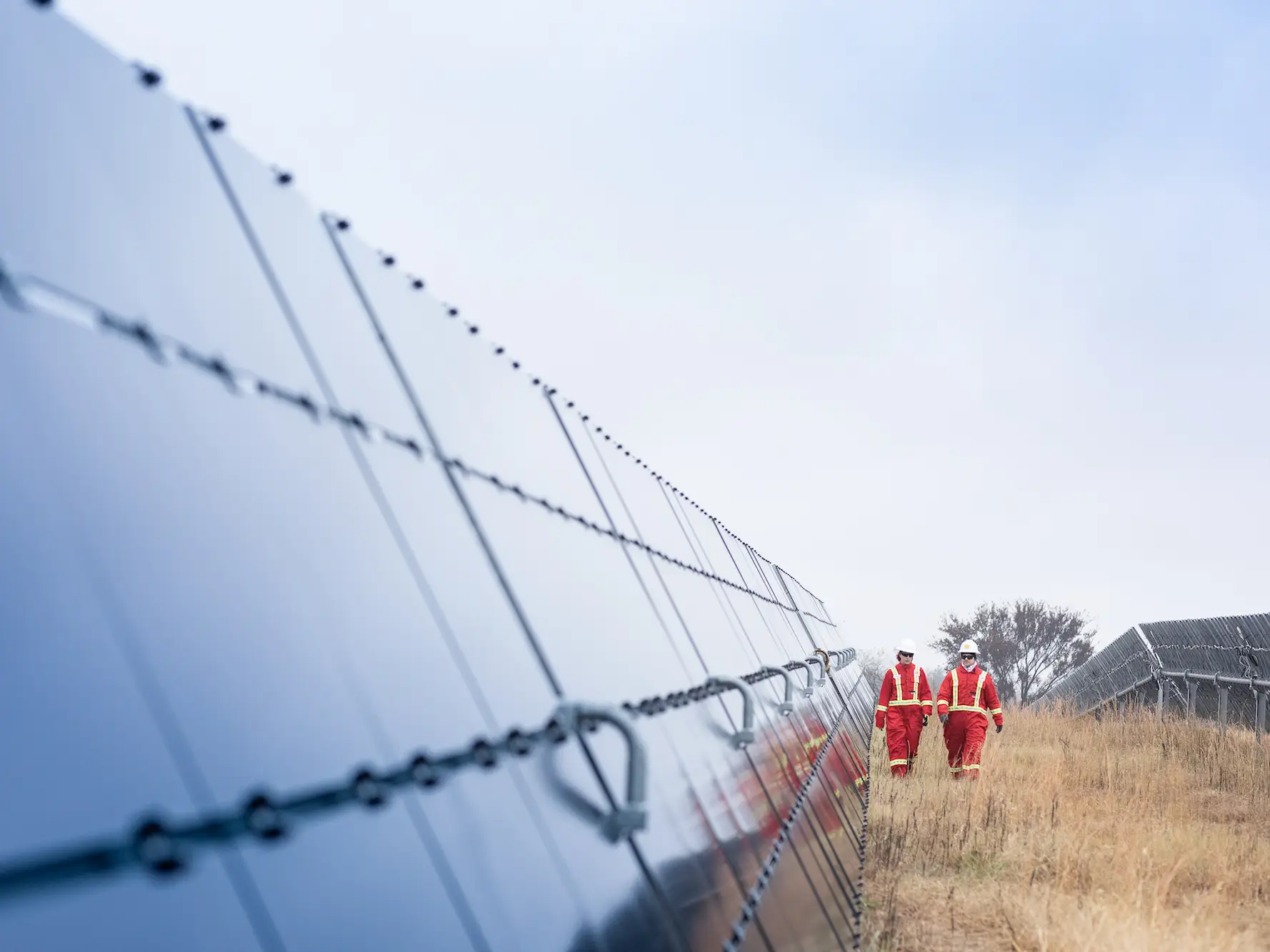
Shell Energy operates in all the main compliance markets in North America. We help companies to manage risk and efficiently comply with their regulatory obligations through offering structured solutions for:
U.S.
California Carbon Allowance (CCA)
California Carbon Offset (CCO)
Regional Greenhouse Gas Initiative (RGGI)
Canada
Alberta Offset
Alberta Emissions Performance Credit (EPC)
Get started on your business's energy transition today
4 ways we can help to support you

Offset unavoidable emissions

By investing in a nature-based project

Which captures or reduces emissions

And issues carbon credits
Offset unavoidable emissions
By investing in a nature-based project
Which captures or reduces emissions
And issues carbon credits
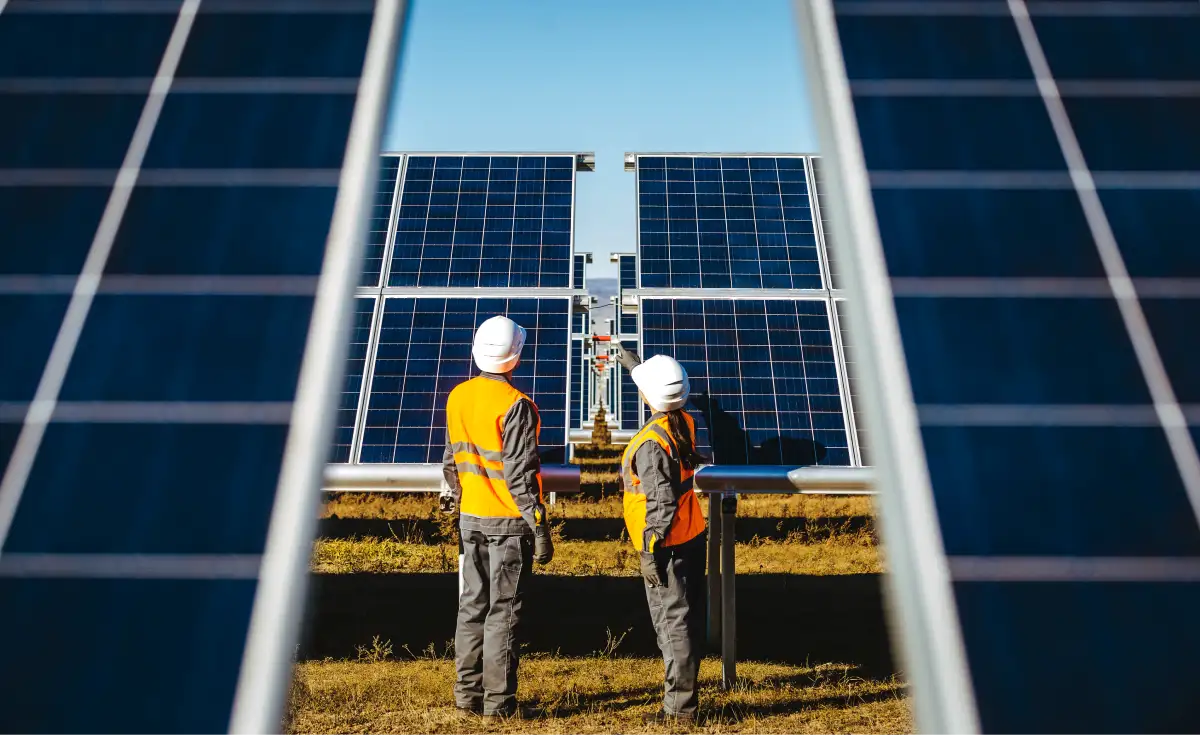
Shell works with nature-based projects around the world that help reduce greenhouse gas emissions improving the livelihoods of local communities and preserving biodiversity and wildlife. These projects — verified by independent organizations with highest internationally recognized standards — generate carbon credits which can be used to compensate for your company’s emissions. Shell actively manages its global portfolio ensuring cost efficiency and the ability to provide tailored solutions.
Shell's offerings include:
Bespoke voluntary carbon credits across all project types
Natural gas bundled with voluntary carbon credits
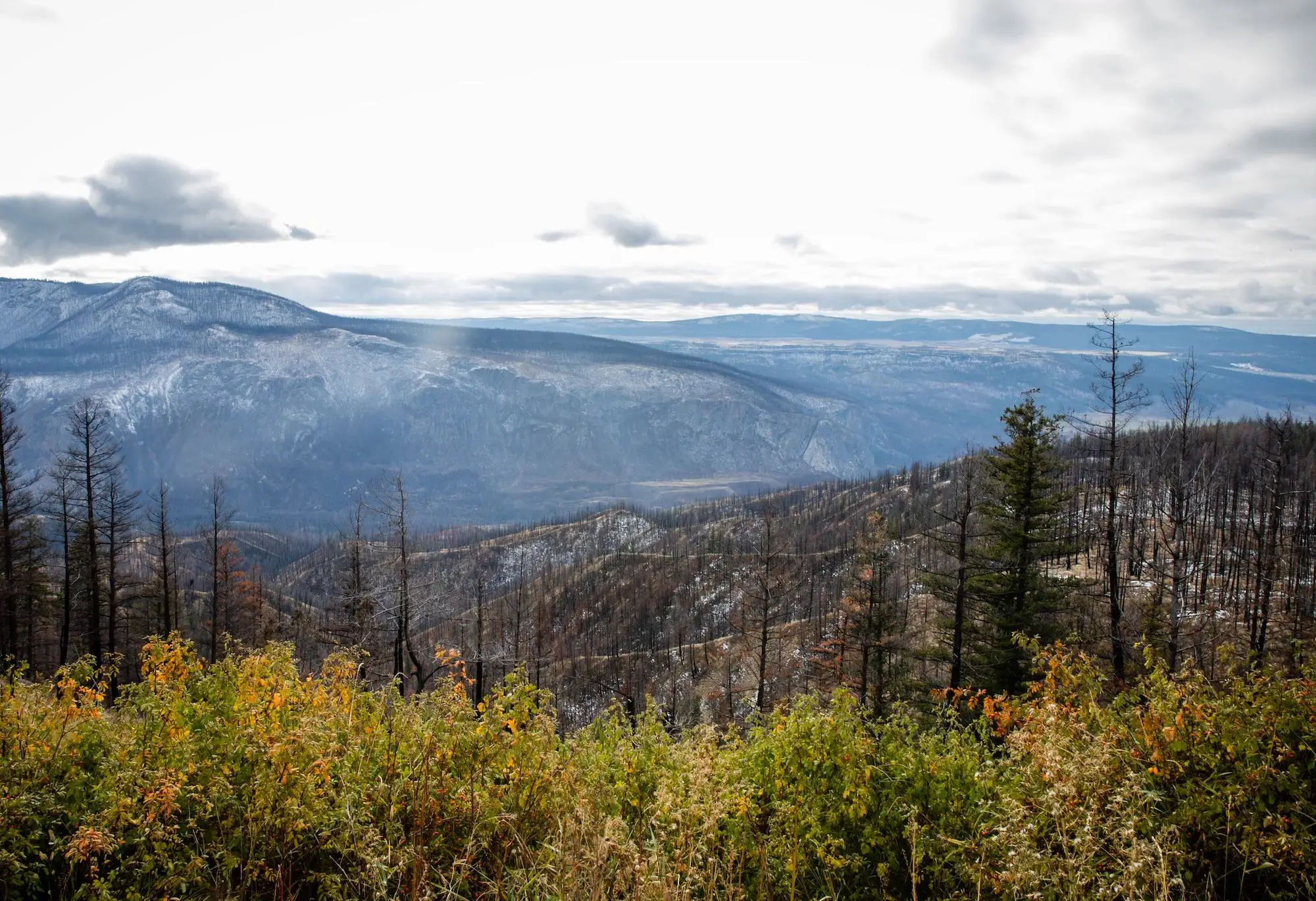
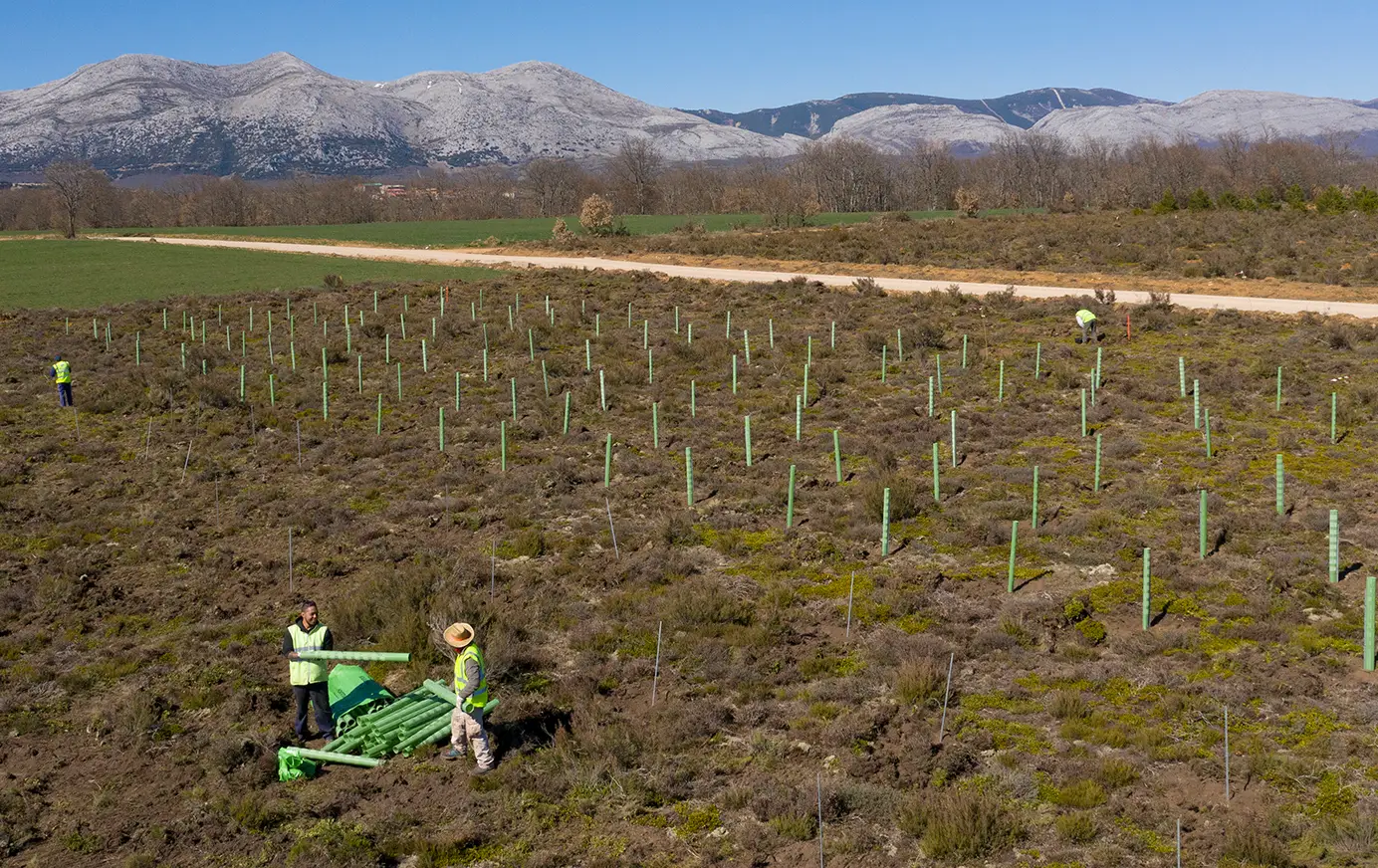
In recent years, wildfires have significantly impacted the lands and communities of the Tŝilhqot’in Nation in the Canadian province of British Columbia. We are helping to address this issue by working with the Tŝilhqot’in National Government to reforest areas that have either been slow to regenerate on their own or have not done so at all. As well as restoring wildfire-devastated areas, the project has the potential to deliver other benefits, including indigenous and local employment – as well as improvements in the local ecosystems.
The project will:
Reforest 700 hectares of indigenous lands devastated by wildfire
Plant an estimated 840 trees, all native species